Health and Safety Policy for Carpet Cleaners W6
 This health and safety policy sets out the standards expected when carrying out carpet cleaning services in a professional, careful, and controlled manner. It applies to all work activities involved in cleaning carpets, from preparation and inspection to treatment, drying, and equipment care. The aim is to reduce risk, protect workers, and support a safe environment for clients, staff, and anyone nearby. Every carpet cleaner must follow safe working practices, use suitable equipment, and remain alert to changing conditions during each job.
Safe working begins before any cleaning solution is applied. A proper assessment of the carpet, surrounding surfaces, and room conditions should be completed first. Hazards such as slippery floors, trailing cables, damaged sockets, poor ventilation, heavy furniture, and fragile items must be considered. A responsible carpet cleaning service will ensure that each task is planned so that risks are reduced as far as reasonably possible. This includes using the correct machine settings, selecting appropriate products, and making sure that areas are kept tidy and accessible throughout the work.
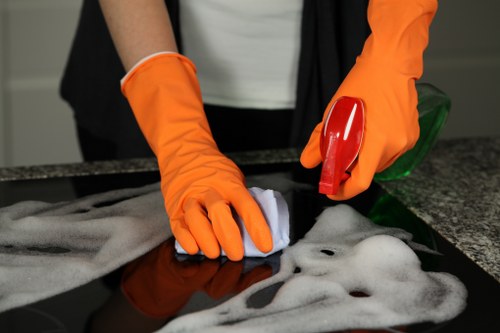
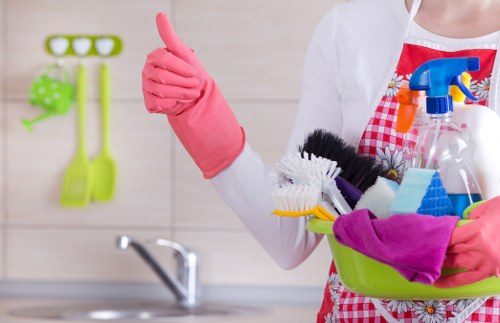 All staff involved in carpet cleaning operations must be trained to recognise common hazards and follow safe methods. Personal protective equipment should be used where necessary, including gloves, slip-resistant footwear, and eye protection when handling chemicals. Cleaning products must be stored, labelled, and used in line with manufacturer instructions. Mixing substances without checking compatibility is never permitted. Good hygiene is equally important, so workers should wash hands after handling products and avoid eating or drinking in work areas.
Equipment safety is central to this policy. Machines must be inspected before use to confirm that leads, plugs, hoses, brushes, and attachments are in good condition. Any faulty item should be removed from service immediately and reported. A carpet cleaner should never bypass safety features or improvise repairs. Where water extraction systems are used, care must be taken to prevent over-wetting, electrical hazards, and trip risks. Cables should be positioned safely, and work areas should be kept clear of clutter wherever possible.
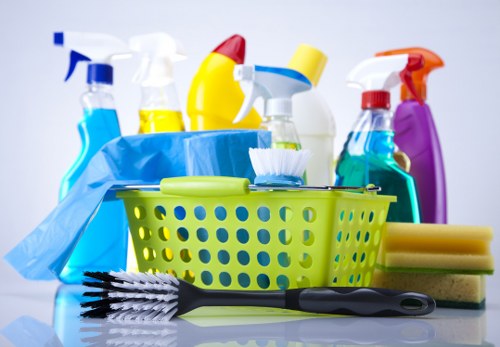
The handling of cleaning chemicals requires particular attention. Only products suitable for the job should be used, and they must be diluted according to instructions. Staff should read product information before use and understand basic first aid measures in case of accidental contact or inhalation. A professional carpet cleaning process depends on safe product control as much as on cleaning performance. Unauthorised substances, decanted containers without labels, and unsafe storage practices are not acceptable under any circumstances.
 Ventilation and drying conditions also affect safety. Rooms should be aired properly to reduce lingering moisture and limit exposure to fumes. Wet carpets can create slip hazards, so warning signs or verbal alerts should be used where appropriate. The carpet cleaning team should leave paths clear and advise that the area may remain damp for a period after treatment. Furniture should only be returned when safe to do so, and care should be taken to protect flooring and walls from damage during repositioning.
Manual handling is another important area of control. Moving machines, lifting water containers, and shifting furniture can lead to strains or impact injuries if done incorrectly. Staff should assess each task and use team lifting, mechanical aids, or adjustment of work methods where needed. A safe carpet cleaner will avoid rushing, bending awkwardly, or carrying loads that are too heavy. Breaks should be taken when tasks are physically demanding, and workers should report any discomfort early.
Emergency preparedness is part of day-to-day safety management. All workers should know how to respond to spills, electric shock risk, chemical exposure, fire, or injury. Spillage kits and basic first aid supplies should be available where required, and emergency procedures must be understood before work starts. A carpet cleaning policy should also include clear expectations for reporting accidents, near misses, and unsafe conditions. Prompt reporting helps prevent repeat incidents and supports continuous improvement in safe practice.
 In addition, communication with clients and other occupants is essential to maintain a safe working environment. Before starting, the carpet cleaning service should confirm which rooms are to be treated, whether there are pets or vulnerable persons nearby, and whether any special precautions are needed. Workers must respect occupied spaces and avoid blocking exits. The team should remain courteous and alert, ensuring that safety is not compromised by speed or convenience.
Supervision and accountability strengthen this policy. Managers should review work methods, provide updated training, and check that safety standards are being followed consistently. Regular inspections of equipment, products, and working methods help identify weaknesses before they lead to harm. A reliable carpet cleaning company will treat health and safety as a core responsibility rather than an optional extra. Records of checks, incidents, and training should be maintained appropriately.
Workers also share responsibility for maintaining safe standards. They must follow instructions, use equipment properly, and challenge unsafe practices when they arise. If a task feels unsafe, it should be paused until the issue is corrected. This carpet cleaners policy is designed to support careful, professional work that protects people and property. It should be reviewed regularly so that it remains effective, practical, and aligned with current operational needs.
 Ultimately, the purpose of this health and safety policy for carpet cleaners is to create a consistent, safe approach to every job. By using proper assessment, training, equipment care, chemical control, and clear communication, the risk of accidents can be reduced significantly. Every carpet cleaning professional is expected to contribute to a safe workplace, follow the procedures set out here, and help maintain high standards of care on each assignment.