Stain Removal in W6 for Homes, Flats, Offices and Busy Local Properties
If you are looking for Stain Removal in W6, you probably need fast, careful help with a mark that has already become part of your day-to-day stress. A spill on a living room carpet, a coffee stain on an office chair, a ring mark on a dining table, or an accidental splash on upholstery can feel frustrating, especially when it happens in a busy household or commercial space. The good news is that many stains can be improved significantly when they are treated with the right products, the right method, and the right local experience.
W6 has its own practical challenges. Homes and flats in Hammersmith often have a mix of old and new flooring, fitted carpets, area rugs, curtains, and soft furnishings that need careful handling. Commercial premises in the area may deal with regular foot traffic, food and drink spills, and the pressure to keep customer-facing areas presentable. A local stain removal service is useful because it understands these realities and can work with the type of property, access, and surface you actually have.
Whether you need help with a one-off incident or recurring stain treatment as part of property upkeep, this page explains what the service involves, what can affect results, how to prepare, and why choosing a local team for stain removal in W6 makes sense for both residential and business customers.
Why local stain removal matters in W6
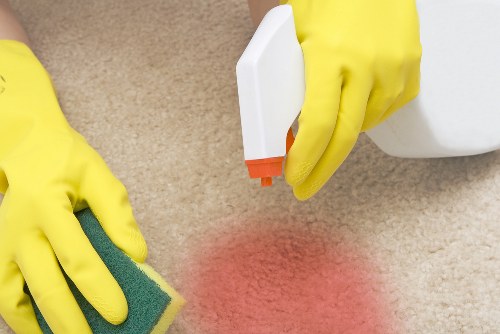
Stains are not all the same. A red wine mark on wool carpet behaves differently from a grease stain on a fabric sofa, and ink on a hard-wearing office chair requires a different approach again. In W6, local homes and businesses often contain a mix of materials, from delicate upholstery in period properties to practical commercial flooring in reception areas, treatment rooms, retail spaces, and shared offices. That is why local knowledge matters: it helps determine the safest and most effective method before any cleaning begins.
There is also a time factor. The longer a stain sits, the more likely it is to bond with the fibres or surface. Quick action can sometimes prevent permanent damage, but even older marks may respond to targeted stain treatment. A local provider can often assess the situation more efficiently because they are used to the types of properties found in the area and the practical issues involved in reaching them.
Another reason customers choose local help is convenience. Busy streets, limited on-street parking, controlled access flats, loading restrictions, and shared entrances can all affect how a job is planned. A team familiar with W6 is better placed to work around these realities and keep disruption to a minimum.
Common stain problems we help with
People request stain removal in W6 for a wide variety of everyday and unexpected accidents. Some are fresh and obvious; others are old marks that have been scrubbed and made worse at home. In either case, the goal is to reduce the stain as much as possible while protecting the surface underneath.
Typical stain types include food and drink spills, muddy footprints, pet accidents, cosmetic marks, oil-based stains, ink, paint splashes, general discolouration, and marks left behind by cleaning products that were used incorrectly. In a busy family home, it is common to deal with repeated spills on carpets or upholstery. In commercial spaces, it may be coffee, sauces, tracked-in dirt, or marks caused by regular use of shared seating and reception furnishings.
Different materials also affect the outcome. Wool, synthetic fibre, cotton blends, leather, vinyl, stone, sealed wood, laminate, and tile all respond differently. A professional approach looks beyond the stain itself and considers the fabric, finish, age, and condition of the item or floor area.
What our stain removal service includes

When customers enquire about stain removal, they often want to know exactly what is included. A proper service should begin with an assessment, not a guess. The technician should identify the stain type where possible, inspect the surface, and choose a method that is appropriate for the material and the condition of the item.
Depending on the situation, the service may include pre-treatment, spot treatment, controlled cleaning, agitation where suitable, rinsing or extraction, neutralising residues, and a final check of the treated area. For upholstery and carpet fibres, the aim is often not simply to hide the stain, but to remove or reduce it without causing further damage such as colour loss, spreading, pile distortion, or watermarking.
For local customers in W6, the service is especially useful when you need a neat finish with minimal interruption to the property. Residential clients may want a targeted solution for a single room, while commercial clients may need stain treatment for seating areas, meeting rooms, communal spaces, or front-of-house presentation areas.
Types of properties we work in across W6

W6 includes a wide range of property styles, and that variety affects how stain removal is carried out. Some customers live in converted flats with narrow stairwells and limited lift access. Others are in Victorian or Edwardian homes with fitted carpets, hallway runners, and fabric furnishings that need careful handling. There are also modern apartments, managed developments, and commercial premises where access can be more structured and timing needs to be coordinated in advance.
In busy parts of Hammersmith, parking and unloading can be challenging, so local experience matters. A service provider who already works in the area is more likely to plan around access points, loading restrictions, and building entry requirements. That can make the appointment smoother and reduce delays for both the customer and the technician.
For businesses, stain removal often needs to be discreet and efficient. Restaurants, offices, clinics, salons, shops, and shared workspaces all have different expectations. The right service should be able to adapt to these settings and help maintain a clean, professional appearance without creating unnecessary disruption.
Why choose a local company for stain removal in W6?
Choosing a local team is about more than convenience. It can also improve the quality of the service because local providers are familiar with the property types, traffic patterns, and practical constraints in the area. If you are in W6 and need stain removal for carpets, rugs, upholstery, or other surfaces, a nearby company can often respond in a way that better matches your schedule and property layout.
Local service also helps when the issue needs follow-up attention. Some stains need a staged approach, and some surfaces benefit from reassessment after drying. Having a team that regularly works in the area makes this easier to manage. It also means the service is less likely to be treated like a one-size-fits-all job.
Key reasons local customers choose nearby stain specialists:
- Better understanding of local homes, flats, and commercial spaces
- More practical planning around access and parking
- Suitable methods for varied carpets and upholstery
- Convenient booking for busy households and working premises
- Fast attention to fresh spills and urgent marks
How the stain removal process usually works
Step-by-step approach for W6 customers
A careful process matters because stain treatment is not just about applying a chemical and hoping for the best. The aim is to produce the best possible result for the specific stain and surface, while avoiding damage to fibres, dye, or finish. A good service usually follows a clear sequence.
- Initial inspection: The stain, surface type, and surrounding condition are checked before any product is used.
- Identification: Where possible, the stain type is identified, because food, oil, dye, protein, and tannin stains each behave differently.
- Test area: A small, discreet spot may be checked first if the material is delicate or colour-sensitive.
- Targeted treatment: The appropriate stain solution is applied carefully and given time to work.
- Controlled cleaning: The area is cleaned using a suitable method for the material, whether that means extraction, wiping, or detailed spot work.
- Final review: The treated area is inspected to see how much improvement has been achieved and whether any further care is needed.
This approach is especially useful in occupied properties where you need the work done neatly and with minimal disruption. It also helps avoid common mistakes, such as using too much moisture, scrubbing too hard, or applying household cleaning products that can set the stain further.
Surfaces and materials we commonly treat
Every surface needs its own method
Customers often ask whether a stain can be removed from a particular item. The answer depends on the material, the age of the stain, and how the stain was treated before professional help was called in. Some surfaces are surprisingly forgiving, while others can be damaged quickly by the wrong method.
Common surfaces and items include:
- Carpets in hallways, bedrooms, lounges, and stairs
- Fabric sofas, armchairs, and dining chairs
- Area rugs and runners
- Curtains and soft furnishings
- Leather or imitation leather seating
- Vinyl, laminate, and sealed hard surfaces
- Commercial seating, reception furniture, and waiting-area upholstery
For textured or absorbent materials, professional stain removal can make a noticeable difference because the stain may sit inside the fibres rather than just on the surface. For harder surfaces, the issue may be etching, residue, or discolouration rather than deep penetration. Either way, a targeted method is better than trial-and-error with household products.
What affects stain removal results?
The main factors to consider
Not every stain can be removed completely, and honest advice is important. Several factors influence the result, and understanding them helps set realistic expectations. The more you know in advance, the easier it is to choose the right service and the right timing.
Important factors include:
- How long the stain has been there — Fresh stains are often easier to treat than old, set-in marks.
- What caused the stain — Wine, oil, ink, mud, food, and dye stains each need a different approach.
- The type of material — Natural fibres, synthetics, leather, wood, and stone all react differently.
- Previous cleaning attempts — Home treatments can spread or set the stain.
- Heat and moisture exposure — Some stains become harder to remove after drying, steaming, or hot-water treatment.
- General wear and condition — An older carpet or sofa may show signs of age that affect the final appearance.
A trustworthy local service will explain these points clearly and avoid promising more than the surface can realistically give. That kind of honesty is one reason many W6 customers prefer to work with experienced local providers.
Preparation checklist before your appointment
Simple steps that help the service run smoothly
Preparing properly can save time and help the technician get straight to work. If you are booking stain removal in W6 for a home, flat, office, or commercial unit, a little preparation can make a meaningful difference to the experience.
Before the appointment, try to:
- Clear small items, ornaments, and loose belongings from the area
- Move lightweight furniture if possible, or mention large items that cannot be moved
- Make note of any stain history, such as what caused it and when it happened
- Avoid using more cleaning products on the stain before the visit
- Keep children and pets away from the work area if needed
- Ensure access routes are open, especially in flats or managed buildings
If parking, entry, or loading might be difficult, it helps to mention this during booking so the visit can be planned properly. In W6, this is often especially helpful for buildings with controlled access, shared entrances, or limited curb space.
Pricing factors and what influences the cost
What customers should expect
Because every stain is different, pricing is usually shaped by the job itself rather than a single flat assumption. Customers looking for stain removal in W6 often want to know what influences the quote so they can compare services fairly and understand the value being offered.
Factors that can affect the quote include:
- The size of the stained area
- The number of affected items or rooms
- The type of stain and how difficult it is to treat
- The material involved, such as carpet, upholstery, leather, or hard flooring
- Access conditions and property layout
- Whether the work is for a home, office, or commercial setting
- Any need for additional inspection or specialist treatment
Rather than focusing only on the cheapest option, it is often better to look for clear communication, careful treatment, and a service that understands the local area. That usually saves time, avoids unnecessary repeat visits, and reduces the risk of damage from unsuitable products or rushed work.
Stain removal for residential customers in W6
In homes and flats across W6, stain issues often happen in the most used parts of the property: living rooms, hallways, dining spaces, bedrooms, and stairs. Family homes may deal with food spills, muddy shoes, pet accidents, or marks from daily life. Smaller flats may need special care because access is tighter and furniture is often positioned to maximise space, which makes DIY treatment more awkward.
Residential customers usually want a service that is careful, tidy, and respectful of the property. That may mean working around furniture, being mindful of shared entrances, and ensuring that the treated area is left in a manageable condition. Whether you are preparing for guests, recovering after an accidental spill, or simply trying to restore a room to a cleaner appearance, a local stain specialist can help.
Typical household reasons to book stain removal:
- Food and drink spills in living or dining areas
- Marks on sofa arms, seat cushions, or rugs
- Stairs and hallway carpets showing spots or tracked dirt
- Pet-related accidents and odour-prone stains
- Cosmetic, ink, or paint marks from everyday use
Stain removal for offices and commercial premises
Commercial customers in W6 often need stain removal for reasons that go beyond appearance. In offices, shared spaces, retail settings, or client-facing premises, visible stains can affect how the environment feels to staff, visitors, and customers. That is why a responsive, practical service can be valuable for maintaining standards without disrupting business operations.
Busy workplaces may have coffee spills, lunch marks, tracked-in dirt, chair arm discolouration, and stains in waiting areas or meeting rooms. Hospitality and customer-service spaces may deal with more frequent and varied staining. A good local service will recognise that timing matters and will aim to work around opening hours, scheduled appointments, or quieter periods where possible.
Businesses also benefit from a methodical approach because repeated cleaning with unsuitable products can shorten the life of carpets and upholstery. With the right treatment, it may be possible to restore a cleaner appearance and delay the need for replacement.
Why DIY stain removal sometimes makes things worse
It is natural to want to act quickly after a spill, but many household remedies can create extra problems. Rubbing aggressively may spread the stain, push it deeper into the fibres, or cause the pile to flatten. Over-wetting can create water marks, lingering dampness, or edge rings. Strong bleach-based products can remove colour as well as the stain, leaving a patch that is more noticeable than the original mark.
Another common issue is mixing different products in an attempt to improve results. This can leave residues in carpets and upholstery that attract dirt later on. For delicate fabrics or mixed-material furnishings, it is especially important to proceed with care and use products suited to the specific surface.
If you are unsure, it is often wiser to stop early and call for professional advice. A local stain removal service can assess the problem and decide whether spot treatment, deeper cleaning, or a combination approach is the better option.
Local areas covered around W6
Customers looking for stain removal in W6 often come from the wider Hammersmith area and nearby neighbourhoods where property styles and access conditions vary widely. A local team is useful because it can travel between nearby streets and adjoining districts with less friction than a less familiar provider.
Areas commonly served may include parts of Hammersmith, Brook Green, Ravenscourt Park, Shepherd’s Bush, Fulham nearby edges, Barons Court connections, and surrounding residential and business locations where similar stain-related issues arise. The exact route and access plan will depend on the property, building type, and appointment details.
For customers, that means less time explaining local conditions and more time focusing on the actual problem. It also means the service can be adapted to local living and working environments, whether the property is a compact flat, a family home, or a commercial unit with high footfall.
Frequently asked questions
Can every stain be removed completely?
Not always. Some stains improve dramatically, while others may only be reduced. The outcome depends on the stain type, material, age of the mark, and previous treatment. A good technician should explain the likely result after inspection.
How quickly should I book after a spill?
As soon as possible. Fresh stains are usually easier to treat than set-in marks. Even if some time has passed, it is still worth booking because many stains can be improved with professional methods.
Is stain removal safe for delicate fabrics?
It can be, provided the right method is used. Delicate or colour-sensitive materials should be tested first, and the treatment should be chosen carefully. This is one reason professional inspection matters.
Do I need to move all the furniture first?
No, not necessarily. Light items may be moved if needed, but large or built-in furniture can often be worked around. It helps to discuss access in advance, especially in flats or commercial premises.
Can you help with both homes and businesses?
Yes. Stain removal in W6 is relevant to residential and commercial customers alike, from family homes and rented flats to offices, clinics, retail spaces, and hospitality settings.
Will the stain come back after drying?
Sometimes residue can reappear if a stain was not fully treated or if moisture wicked up from below. That is why careful rinsing and post-treatment checking are important.
What makes a good stain removal appointment?
A good appointment is one where the customer knows what is happening, why the chosen method is being used, and what result to expect. You should feel confident that the surface has been treated with care and that the technician has considered the broader condition of the item or room.
Signs of a well-managed visit include:
- Clear explanation before work starts
- Attention to material type and stain source
- Careful treatment rather than rushed scrubbing
- Respect for access, property layout, and surrounding furnishings
- Practical advice on aftercare and drying
Customers in W6 often appreciate a service that feels straightforward and reliable. When stain treatment is handled well, it can improve the appearance of a room without turning the whole day into a disruption.
Aftercare advice once the stain has been treated
Helping the result last
After stain removal, it is helpful to follow any advice given for drying and day-to-day care. Avoid re-wetting the area unnecessarily, and do not resume heavy use too quickly if the surface needs time to settle. For carpets and upholstery, keeping the area ventilated can help speed up drying.
If you are dealing with a recurring issue, such as a drink spill in a reception area or repeated marks on a family sofa, it may be worth considering protective habits going forward. These could include using coasters, keeping wipes nearby for immediate blotting, rotating cushions, or reviewing how furniture is arranged in high-use spaces.
When treated well and maintained sensibly, carpets and furnishings can often stay looking better for longer. That is especially useful in W6, where homes and businesses often expect a neat, presentable finish in compact and highly used spaces.
Book stain removal in W6 with confidence
If a stain is spoiling a room, affecting a business space, or causing you more stress than it should, professional help can make the process easier. A local service understands the practical realities of W6 properties and can focus on the stain without adding unnecessary hassle. From carpets and rugs to upholstery and other fabric surfaces, the right treatment can improve appearance, protect materials, and save you time.
Whether you are a homeowner dealing with a sudden spill or a local business wanting a cleaner, more professional environment, stain removal in W6 is a service worth arranging promptly. The sooner the stain is assessed, the better the chance of a strong result.
Contact us today, request a free quote, or book your service now if you are ready to get started. A quick enquiry is often the easiest first step toward restoring the look of your carpets, upholstery, or other treated surfaces.