Sofa Cleaning in W6
If you are looking for Sofa Cleaning in W6, you are probably dealing with the kind of everyday mess that builds up in a busy home or workplace: spilled drinks, crumbs in the cushions, pet hair, dust, odours, and the general dulling that happens over time. Sofas are used constantly, so even careful households in W6 can find that upholstery starts to look tired sooner than expected. A professional clean can make a real difference, not just to appearance, but also to comfort, freshness, and the life of your furniture.
W6 is a varied part of West London, with a mix of riverside apartments, period terraces, converted flats, family homes, offices, managed properties, and busy commercial spaces. That variety matters because every sofa is different. A compact fabric sofa in a Hammersmith flat may need a very different approach from a leather corner sofa in a riverside apartment, a reception-area suite in an office, or a settee in a family home near Ravenscourt Park. A local upholstery cleaning service understands these practical differences and can work around access issues, parking restrictions, building rules, and the realities of local living.
Whether you want a one-off refresh or regular fabric care, choosing a local upholstery specialist can make the process easier. You get a service that is used to working in W6 properties, handling delicate materials with care, and tailoring the cleaning method to your sofa’s fabric, condition, and level of use. Contact us today if you are ready to restore your sofa’s look and feel, or if you would like a tailored quote based on your furniture and location.
Why Local Sofa Cleaning Matters in W6

There are good reasons why many residents and businesses prefer a local sofa cleaning company in W6 rather than trying to manage upholstery care alone. The first is convenience. Local teams are familiar with the area and can plan visits around common access challenges such as restricted parking, loading limitations, flat access, stair-only buildings, and narrow roads around older residential streets. That practical knowledge saves time and reduces stress on the day.
The second reason is suitability. A one-size-fits-all approach rarely works well with upholstery. Modern performance fabrics, natural fibres, velvet, suede-like materials, and leather all respond differently to heat, moisture, agitation, and cleaning solutions. A trained technician can inspect the material, test where needed, and choose a safe method that supports the fabric rather than stressing it. That is especially important for households with children, pets, or frequent visitors.
Another benefit is that a local cleaner understands the pace of life in the area. In W6, many customers want appointments that fit around work, school runs, property management schedules, tenant changes, or business opening hours. A nearby service is often easier to arrange, easier to reschedule if necessary, and more practical for people who need upholstery cleaned without disrupting the day more than necessary.
What Our Sofa Cleaning Service Includes

A proper sofa cleaning service should do more than make the upholstery look brighter. It should address dirt trapped below the surface, improve hygiene, and help the furniture feel fresher to use. When arranged professionally, sofa cleaning in W6 usually begins with an inspection so the technician can identify the sofa type, fabric, stains, wear patterns, and any areas that need special attention.
Typical service steps may include a careful pre-inspection, dry soil removal, spot treatment, deep cleaning with the most suitable method, and finishing touches that help speed up drying. On many sofas, the team can also treat localised marks such as food spills, drink stains, body oils, pet-related soiling, and traffic dirt on armrests, seat cushions, and headrest areas. The aim is to clean thoroughly while being careful with the structure and appearance of the upholstery.
Some customers also ask for deodorising treatment, especially where the sofa has absorbed cooking smells, pet odours, tobacco residue, or general stale air. In shared homes, rental properties, and commercial waiting areas, this can make a noticeable difference. For more delicate or valuable pieces, a specialist may recommend a gentler process to reduce the risk of over-wetting or colour movement.
Common sofa types cleaned in W6
- Fabric sofas and armchairs
- Corner sofas and modular seating
- Leather and faux leather sofas
- Velvet and textured upholstery
- Two-seaters, three-seaters, and sofa beds
- Reception seating and office soft furnishings
Book your service now if your furniture needs more than a surface wipe and you want a deeper, fabric-safe clean that suits your sofa type.
How Sofa Cleaning Works
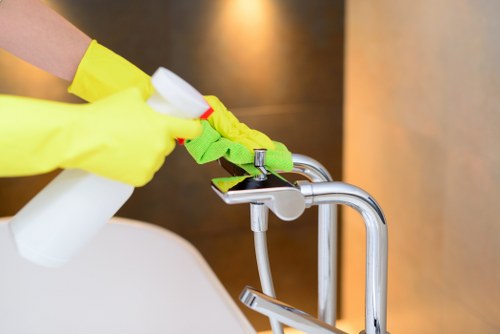
The cleaning process is designed to be straightforward for the customer while still being detailed enough to achieve a proper result. After arrival, the technician will usually confirm the fabric type, look at the condition of the upholstery, and discuss any concerns you have about stains, wear, or odour. This first step matters because it helps avoid using the wrong solution on a sensitive material.
Next comes preparation. Loose debris, pet hair, dust, and crumbs are removed from the sofa’s surface and crevices. This stage is important because embedded dry soil can interfere with cleaning results if it is not lifted out first. After that, suitable stain treatment may be applied to targeted marks. Some stains respond best to immediate pre-treatment, while others need a more careful approach to avoid spreading or setting the mark further.
The main clean then follows. Depending on the upholstery and condition, that may involve hot water extraction, low-moisture cleaning, dry compound methods, or specialist spot processes. The aim is to lift grime without leaving the fabric too wet or damaging the filling underneath. Once the clean is complete, the technician may carry out grooming, wipe down any leather sections if relevant, and provide advice on drying time and aftercare.
What you can expect on the day
- Arrival within the agreed appointment window
- Assessment of the sofa and surrounding area
- Explanation of the best cleaning approach
- Focused treatment of stains and high-use areas
- Cleaning and finishing with care for the room
- Practical advice for drying and aftercare
For many W6 customers, the appeal is that the service is handled in your home or premises with minimal disruption. You do not need to move large items out of the property, and there is no need to guess which product is safe for the fabric. A trained cleaner does the assessment and works methodically from start to finish.
Why Sofas in W6 Need Professional Attention

W6 properties often see high daily use. In family homes, the sofa may be the centre of everything: children doing homework, pets curling up in the evening, visitors dropping in, and people relaxing after a long day. In flats and apartments, sofas can also take more wear because they are used as the main seating area, dining overflow, or even an occasional sleeping surface. Over time, this creates build-up that regular vacuuming cannot fully remove.
Local commercial settings have their own challenges. Offices, clinics, salons, managed reception spaces, and hospitality environments may use soft seating heavily throughout the day. Even when customers and staff are careful, upholstery picks up dust, skin oils, spills, and odours. A professional clean can help keep the environment looking presentable and more welcoming without replacing furniture that still has plenty of life left in it.
There is also the issue of hidden contaminants. Sofas can trap particles deep in the fibres, especially in homes near busy roads or properties with open windows during warmer months. A specialist clean can remove embedded dirt that affects both appearance and freshness. If you have allergies or are sensitive to dust, a thorough upholstery clean may also help improve how the room feels.
Signs your sofa may need cleaning
- Visible stains or darkened armrests
- A stale or musty smell
- Pet hair and dander trapped in the fabric
- Flattened or dull-looking upholstery
- Food crumbs and grime in seams and creases
- General wear from frequent family use
If your sofa no longer looks or smells fresh, that is usually a sign that routine cleaning is no longer enough.
Areas Covered Around W6

A local service for sofa cleaning in W6 is especially useful because customers often live or work across a broad mix of nearby neighbourhoods and property types. W6 includes parts of Hammersmith and surrounding streets, along with homes and businesses close to the river, transport links, and local shopping and residential areas. That means one appointment may involve a compact flat with limited lift access, while another may be in a larger home with multiple reception rooms or a commercial unit with shared entry arrangements.
Nearby areas and common service environments can include riverside developments, mansion blocks, Victorian and Edwardian terraces, converted houses, new-build apartments, serviced offices, studios, and small business premises. Because local access conditions vary so much, it helps to use a team that already knows how to work efficiently in the area and can prepare for loading, parking, and entry before the visit begins.
If you are based in or around W6 and need upholstery care, it is worth asking about coverage for neighbouring districts and nearby streets as well. Many local customers arrange cleaning for individual sofas, multiple items, or full-room upholstery refreshes, especially when moving in, moving out, preparing a property for rent, or wanting several rooms cleaned in one visit. Request a free quote to discuss what you need and how best to schedule the work.
Residential Sofa Cleaning for W6 Homes
Homeowners, tenants, and landlords all have different reasons for booking sofa cleaning. In a family household, the main goal is often to make the living room feel cleaner and more comfortable again. In a rented property, furniture care may be part of maintaining the standard of the home between tenancies or before an inspection. For landlords and managing agents, fresh upholstery can help present a property well and reduce the impression of wear that may otherwise put people off.
W6 homes often feature a mix of traditional and modern layouts, which can affect how cleaning is carried out. Open-plan rooms may require extra attention to protecting flooring and surrounding furniture. Smaller flats may need the technician to work around compact spaces and delicate décor. Period homes may have older or more delicate items that call for a careful, measured approach. In every case, the process should be adapted to the room, not forced into a rigid routine.
Many customers also choose to clean sofas before hosting guests, after a house move, or as part of seasonal home maintenance. These are sensible times to act because the furniture can be refreshed before the house gets busier again. If your sofa is one of the most used items in the home, regular professional care can help it remain attractive and usable for longer.
Practical benefits for households
- Helps restore colour and brightness
- Removes trapped dust and surface grime
- Improves comfort and freshness
- Reduces visible signs of day-to-day wear
- Supports a cleaner living environment
Commercial Upholstery Cleaning in W6
Businesses in W6 also benefit from upholstery cleaning, especially where clients, staff, or visitors spend time in seating areas. Offices, waiting rooms, clinics, shared workspaces, and customer-facing premises all create the same issue: fabric seating gathers dirt quickly and can make the rest of the space feel less cared for if it is not maintained. Keeping sofas and chairs clean is part of presenting a professional environment.
Commercial customers often need a flexible service that works around opening hours or low-traffic periods. That might mean early visits, evening appointments, or cleaning planned to avoid disruption to operations. The work may also involve multiple seating items rather than just one sofa, so efficient planning and suitable equipment matter. For property managers and business owners, the goal is usually to keep upholstery looking presentable while making sensible use of time and budget.
Clean seating can also support hygiene standards in shared spaces. While upholstery cleaning is not a substitute for routine surface cleaning and maintenance, it does help remove the dirt that tends to settle deep into fibres. If your premises rely on first impressions, this is one of the simplest ways to improve how your interior feels to the people who use it every day.
What Affects the Price of Sofa Cleaning?
It is normal to want an idea of cost before booking, but exact pricing depends on several practical factors. A professional cleaner will usually consider the size of the sofa, the fabric type, the condition of the upholstery, the number of items, stain severity, access to the property, and whether extra treatments are needed. That is why a tailored quote is usually more useful than a rough one-size-fits-all estimate.
For example, a small two-seater in good condition may be quicker to clean than a large corner sofa with multiple cushions, heavy traffic marks, and pet-related odours. Leather furniture may need different materials and time compared with fabric upholstery. Properties with difficult access, limited parking, or multiple floors may also require extra planning. None of this means the job is difficult; it simply means the service should be adjusted to the real conditions at your property.
Pricing factors may include:
- Number of sofas or upholstered items
- Fabric type and cleaning method required
- Presence of stains, odours, or heavy soiling
- Property access and parking convenience
- Whether drying support or extra treatments are needed
If you are comparing options, ask for a quote that reflects your specific furniture rather than a generic price. That will help you understand what is included and avoid surprises on the day.
How to Prepare for Your Sofa Cleaning Appointment
Good preparation makes the appointment faster and smoother. You do not need to do anything complicated, but a few simple steps can help the technician get started quickly and protect the room while the work is carried out. The aim is to create enough space for a careful, efficient clean without unnecessary disturbance to your home or business.
Preparation checklist
- Remove small objects, cushions, throws, and fragile items from the sofa area
- Make sure the cleaner can reach the furniture easily
- Vacuum the area if you have time, especially around the sofa base
- Let the technician know about known stains or delicate fabrics
- Arrange parking or building access if needed
- Keep pets and children safely away during the cleaning process
It is also helpful to mention any concerns ahead of time, such as water sensitivity, loose stitching, previous repairs, or a fabric that has faded unevenly in sunlight. This allows the cleaner to take the right approach from the beginning. If your sofa has removable cushions, they may be cleaned separately to ensure a more even result.
Why Choose a Local Company for Sofa Cleaning in W6?
Local service matters because upholstery cleaning is practical work, not just a quick surface tidy. A company that regularly works in W6 is more likely to understand the area’s property layouts, how to navigate access issues, and what type of homes and businesses are common locally. That makes the appointment smoother from the outset.
There is also the benefit of clearer communication. A nearby team is easier to book, easier to coordinate with, and better placed to respond when plans change. This can be especially important for tenants, landlords, estate managers, office administrators, and busy families who need the job completed at a specific time. Local expertise also helps when there are special fabric concerns or when you need several pieces of furniture cleaned in one visit.
Most importantly, a trusted local cleaner is focused on making the service fit the customer. That means explaining what will happen, what results are realistic, and how to care for the upholstery after the visit. It should feel straightforward, not stressful. If you want sofa cleaning in W6 that is suited to your property and your schedule, a nearby team is a sensible choice.
Frequently Asked Questions
How often should a sofa be professionally cleaned?
For many homes, every 12 to 18 months is a common interval, though heavy use, pets, children, or commercial use may mean cleaning is needed more often. The best schedule depends on how quickly your sofa picks up visible dirt and odours.
Can all sofa fabrics be cleaned the same way?
No. Different materials need different methods. Fabric, velvet, suede-like materials, and leather all require specific handling. A good technician will inspect the sofa first and choose the safest method for that upholstery type.
Will the sofa be wet for long after cleaning?
Drying time depends on the fabric, the method used, ventilation, and room temperature. A professional cleaner should explain what to expect and may advise keeping windows open or using heating and airflow to support drying.
Can you remove old stains completely?
Some stains respond very well to treatment, while others may have already bonded with the fibres or altered the colour. A cleaner can assess the stain and tell you what outcome is realistic before starting work.
Do I need to move my sofa outside?
Usually, no. Most sofa cleaning is carried out in place. The technician will work around the room and may ask for access to the back and sides if possible, but removing the sofa from the property is rarely necessary.
Is upholstery cleaning suitable for rental homes and managed properties?
Yes. It is a practical option for landlords, tenants, and letting agents who want the furniture refreshed between occupancies or after extended use. It can help improve the overall presentation of the property.
When to Book Sofa Cleaning in W6
There is no perfect single moment, but certain situations make booking especially worthwhile. If you are preparing for guests, moving home, ending a tenancy, dealing with a spillage, or simply tired of looking at a worn sofa, it makes sense to act sooner rather than later. The longer dirt and stains remain, the more they can settle into the fabric.
A lot of customers also book after seasonal changes, such as following winter when rooms may feel stale, or after summer when open windows and heavier use can leave upholstery looking tired. In commercial settings, a planned refresh can help the premises look well maintained all year round. If your sofa is central to the room, keeping it clean has a noticeable effect on the whole space.
Contact us today to discuss your needs, ask about the best cleaning approach for your sofa, and arrange a convenient appointment in W6 or the surrounding area. If you are ready to improve the look, feel, and freshness of your upholstery, book your service now.